
Jeffrey A. Brown on Superhero Marriage
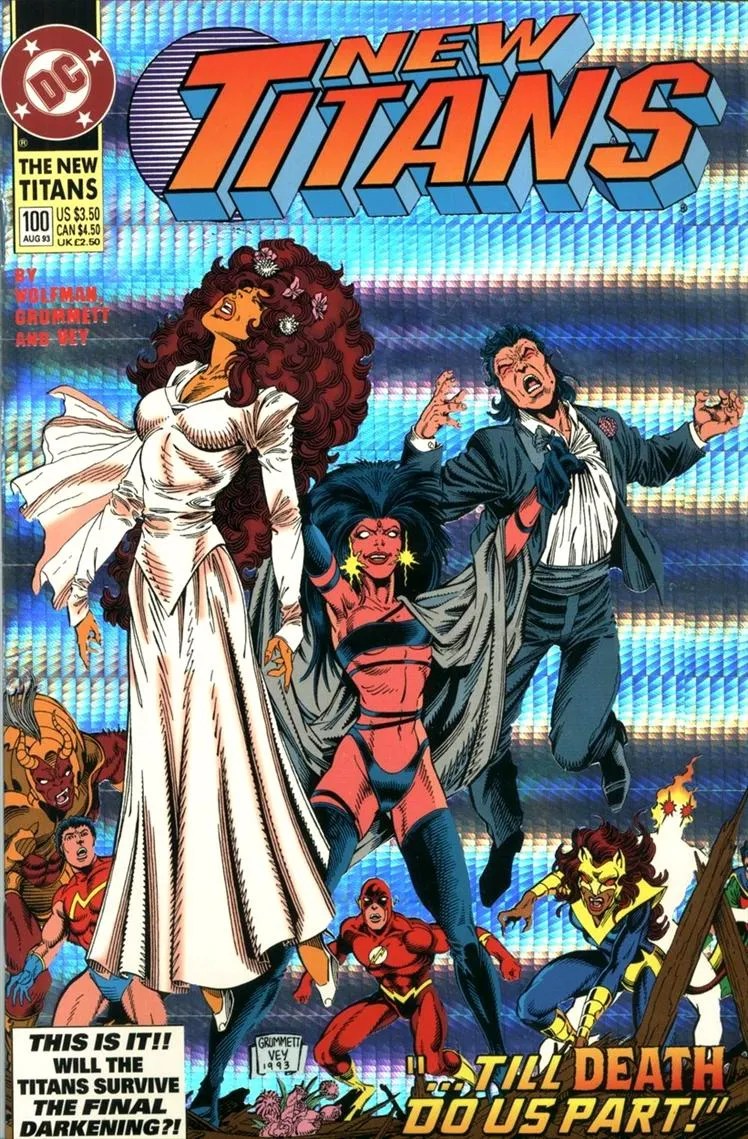
In “Marriage, domesticity and superheroes (for better or worse)” – a chapter from the Routledge Companion to Gender and Sexuality in Comic Book Studies – Jeffrey A. Brown explores the unique and complicated friction that exists between superhero comics and the very concept of marriage. #spiderman 1/10

Brown references the wedding of Spider-Man and MJ multiple times, arguing that “the genre’s difficulty in portraying marriage ultimately reinforces the belief that love and domesticity are incompatible with hegemonic masculinity and the unrealistic fantasy of female sexuality.” 2/10

Brown also makes reference to Umberto Eco’s famous 1972 paper, “The Myth of Superman,” which suggests that the superhero has to feature romantic progression in order to be real and relatable, yet must also be ‘inconsummable’ in order to function as a mythic figure. 3/10
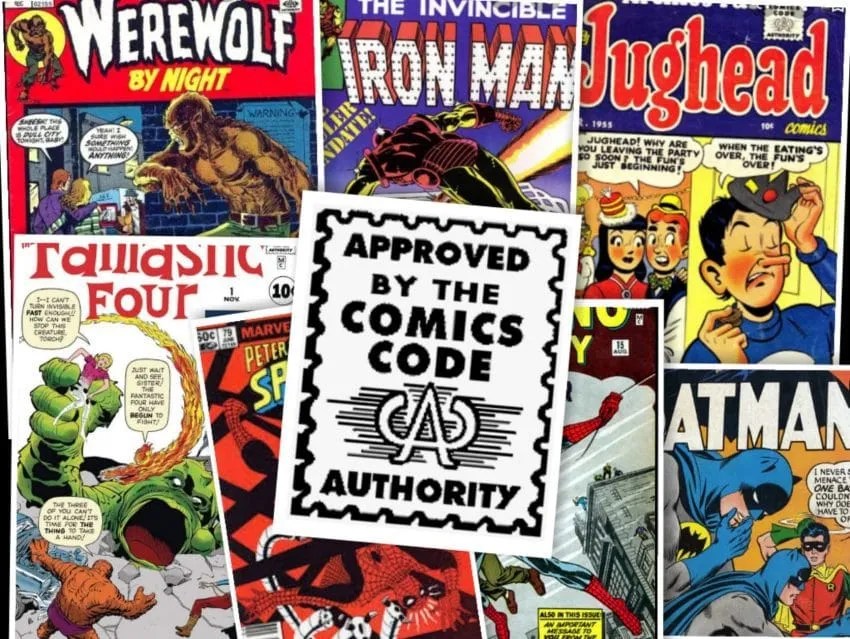
In many ways, Brown’s chapter can be read as an important and much-needed update to Eco’s original paper, which focused almost exclusively on Silver Age comics. Brown builds a broader history, tracing this issue from early origins to the Comics Code Authority (CCA) era and into the 21st century. 4/10
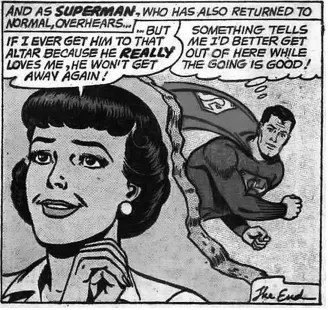
The foundations run deep, however, with Brown identifying the CCA’s mandate that any romance in comics must “emphasize the value of the home and the sanctity of marriage,” establishing a reproduction-oriented, heteropatriarchal model that continues to define and shape comics romance today. 5/10

In this model, marriage becomes a threat to a number of key elements of superhero fantasy. It can relegate the hero to a domestic space, diminish the power fantasy that define the genre, and even blur the boundaries between the dual identities of the hero. 6/10

In short, Brown identifies radical potential in superhero marriage to create new storytelling opportunities that, while threatening to the status quo, can produce important questions about what the superhero is and what the audience wants (or needs) when consuming this inconsumable being. 7/10

Brown concludes with the promise of broader implications: “Though the superhero genre has served as an effective analogy for male adolescence for most of its history, the inclusion of marriages and families in modern stories allows the basic formula to serve as a metaphor for other developmental milestones.” 8/10

“The adolescent male power fantasy of ripping open one’s shirt to reveal the superman underneath…is still a potent idea of masculine transformation. But, as a wish-fulfillment fantasy, this traditional definition of masculinity remains very narrow.” 9/10

“After over 80 years, superhero comics are branching out to grapple with life changes beyond just gender and puberty. Parenting, domestic responsibilities, mid-life crises, retirement, disabilities and other life milestones can be explored through the symbolic world of superheroes.” 10/10