
Digital Archives and Comics Pedagogy
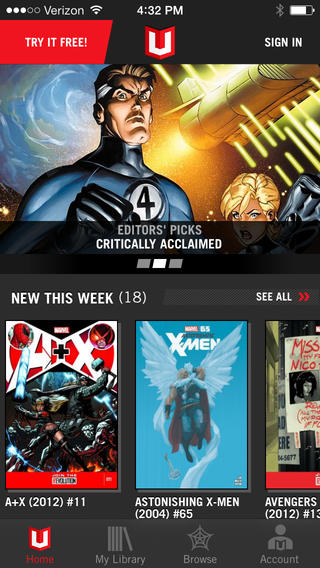
The impact of digital archives on comics pedagogy is a history that’s still being written whilst raising a number of key questions about our understanding of comics in a modern college or university classroom. There are opportunities here, but metaphorical landmines along the way. #comicsstudies 1/13

For as long as comics have been a part of post-secondary courses, sourcing comics for students has been challenging, raising a wide number of ethical, economical and aesthetic considerations. Digital comics archives don’t solve any of these problems, but they do change things. 2/13

The first thing to note is that there is a strong market here and book publishers of all kinds target and market toward Professors in the aims of getting them to assign the book to their courses, with many even sending out sales reps to knock on Professors’ doors. 3/13

The logic here is simple: if you can sell a book to a Professor and they put it on their course with a cap of 50 students, you’ve just sold 50 books for that one term alone. Moreover, the cultural validation of being taught in a university or college course has its own currency as well. 4/13

This last point is perhaps more relevant to the superhero comics industry than many realize. As Sean Howe details in his history, Marvel Comics: The Untold Story, Stan Lee’s targeting of campus culture in the 1960s and 1970s was a deeply important part of Marvel’s success as a publisher. 5/13

As the comics-as-literature movement gained traction, more and more graphic novels made their way into the academy, beginning first with memoirs like Maus, Persepolis, and Fun Home in roughly the late 1990s before the flood gates opened, so to speak. 6/13

From there, aligning with fields like cultural studies, select superhero comics began to make it into courses with greater regularity, and even into courses that treated them as more than cultural curiosities but, instead, as great works of literature themselves in many cases. 7/13
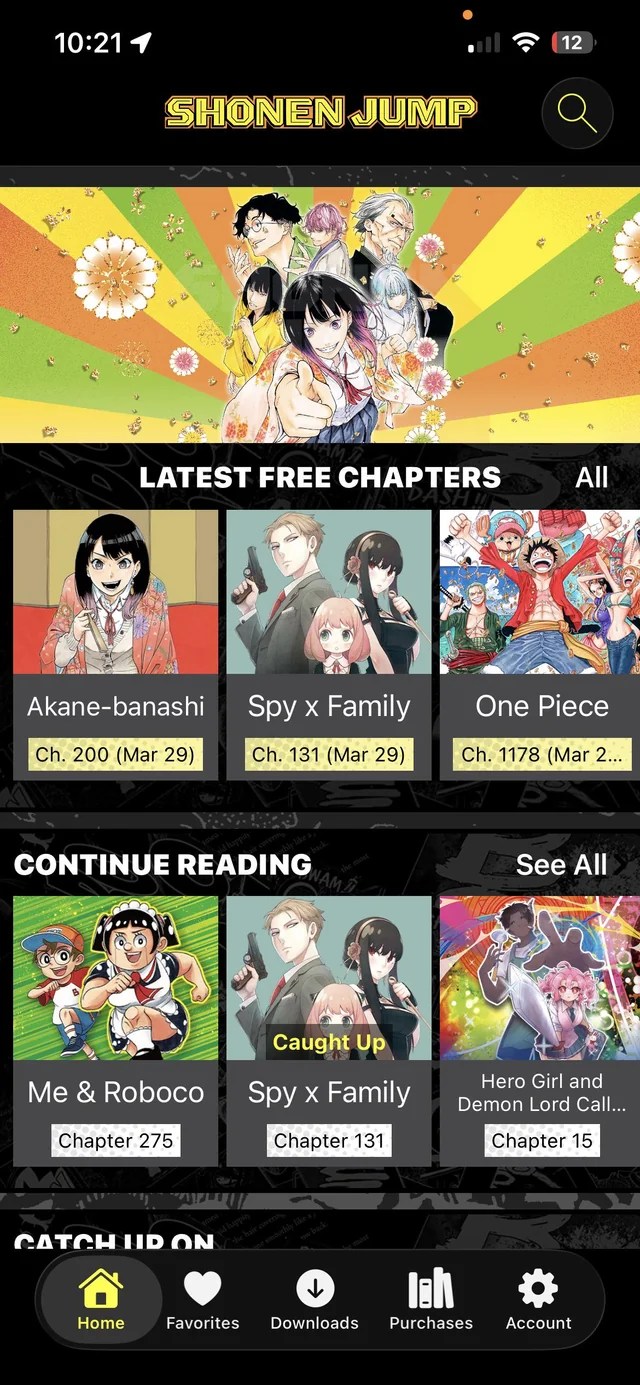
Digital archives like Marvel Unlimited, DC Universe Infinite, and Shonen Jump, all provide access to vast catalogues of comics issues. Where instructors used to have to limit their course readings to a trade or two per title, now they can assign vast swathes of a series. 8/13

This also opens up the opportunity for selective readings. Instead of just teaching “The Dark Phoenix Saga,” for example, I can assign a random assortment of individual issues of X-Men comics and cover a much wider swathe of the story of those particular superheroes, even across different creators. 9/13

These new options create powerful new teaching opportunities that reconfigure the way comics are studied and, subsequently, the way comics are understood in the broader culture as those ideas proliferate and spread through the students going out into the world (as they do). 10/13
At the same time, these new approaches raise a number of questions about barrier-of-entry, digital vs paper, decontextualized reading, and the simple question of how much power we give publishers to define what people have access to and how. 11/13

A simple example of this would be recolorizations, common to platforms like Marvel Unlimited, that alter the original colorists work and thus diminish their original contribution whilst also radically altering the look of the text from its original. 12/13

All told, there’s no clear conclusion here – just a “hey, something’s moving under the surface of the water” kind of approach. Digital archives are changing how we study comics and thus changing (in innumerable ways) how we understand what comics are. 13/13