
Margaret Galvan’s In Visible Archives

Margaret Galvan’s “In Visible Archives: Queer and Visual Culture in the 1980s” presents a comics revisitation project that testifies to the fundamental importance of archival preservation by showing how ‘unimportant’ works can become deeply important decades later. #comicsstudies 1/10
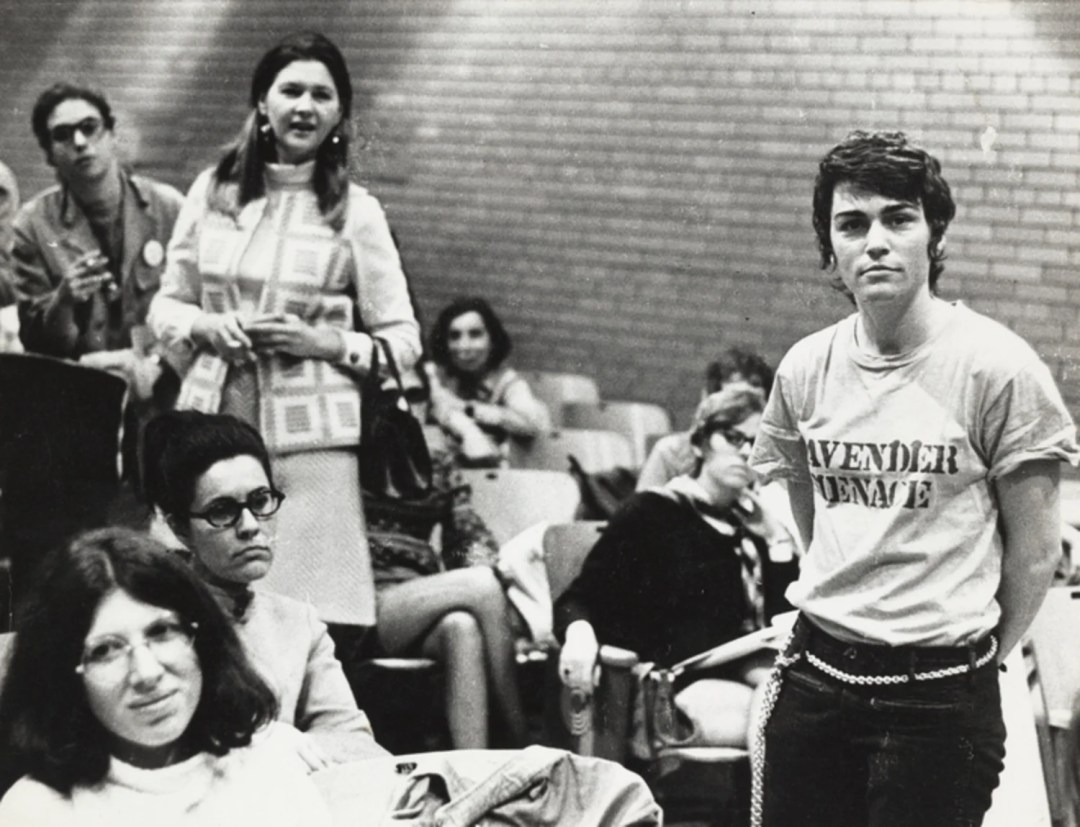
Galvan opens by noting that “Across the 1980s, women in feminist and gay and lesbian movements in the United States celebrated their sexuality as one of the interlocking parts of their identity in response to constraining cultural phenomena” 2/10

For Galvan, history has charted this celebration through “essays, manifestos, and march chants” whilst neglecting how “women wielded images to theorize their embodied sexuality directly, and their art, created within grassroots networks, has been mostly forgotten.” 3/10

In Galvan’s scholarship, however, this erasure is a research opportunity that she seizes. “Within the past twenty years, newly processed collections within archives have begun to make these women’s powerful visual contributions available once more.” 4/10

In her review of the book for INKS, Anna Peppard describes it as “an extremely careful, deliberate, and impeccably researched book, which admirably advances the field by making neglected texts newly visible” 5/10
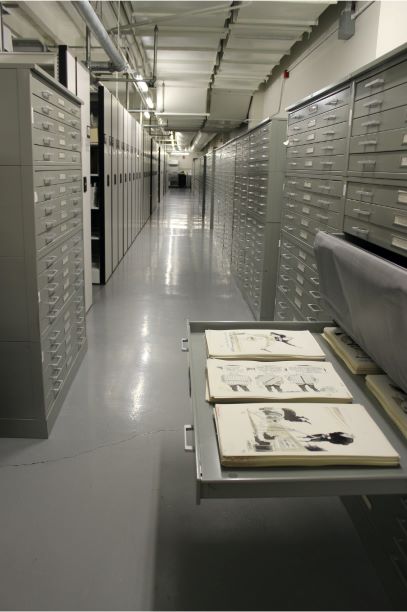
Indeed, the underlying theme of the text is visibility. And while Galvan’s work shows the importance of the scholar’s role in shining a spotlight on key works, themes, and subjects, it also shows (and speaks to, quite directly) the importance of the archive for making future visibility possible. 6/10
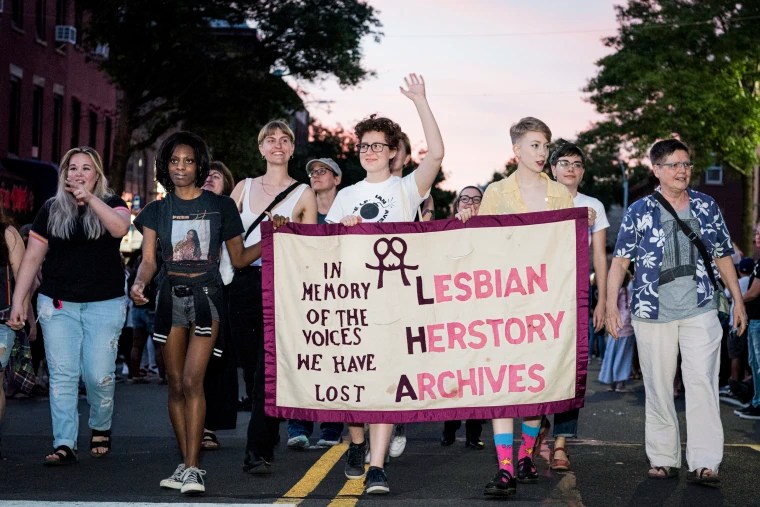
A major theme is the politics of archiving – debates and conflicts that decide who gets to be preserved, and thus, who gets to be seen. As Galvan notes “How archivists have welcomed these women’s artwork into collections has been vital in shaping their legacy.” 7/10

Underlying all of Galvan’s work is the broader concern for contextual shifts and how works that were “unimportant” in their time (in the eyes of a broader culture) became quite important in another or simply found new meaning or purchase. 8/10

Galvan ends her book with a staunch defense of archives and archivists: “After all, what I’ve encountered in the archives is there because of communities of individuals who valued, saved, and deposited it and the archivists who welcomed, cataloged, and made it accessible…” 9/10

“…this book is indebted to the creation of all those grassroots archives that welcomed and upheld difference and to all the folks who went to work within more established archives and began to imagine who and what to collect differently. Thank you.” 10/10