
Teaching “Bitch Planet”
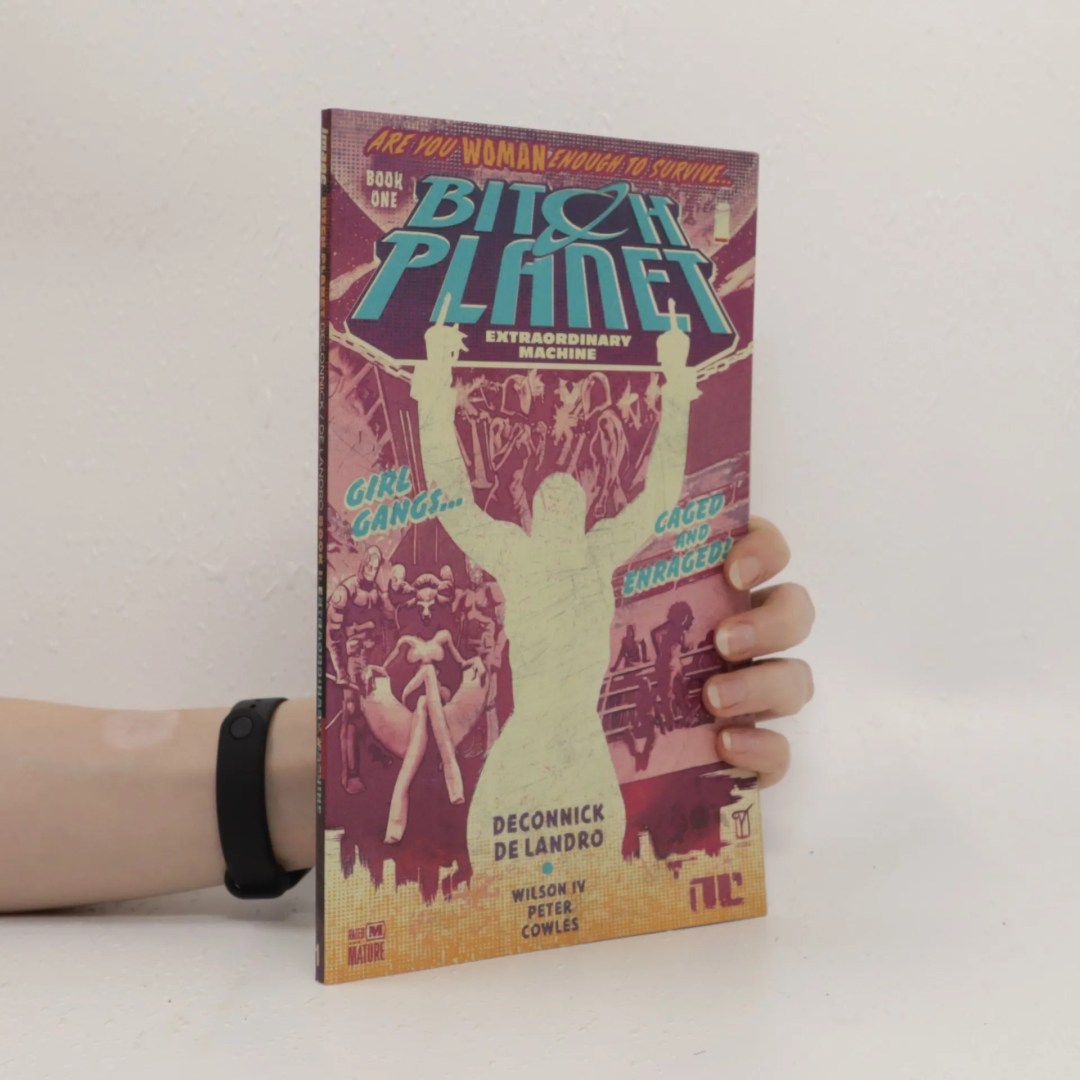
In a 2016 roundtable moderated by Kate Tanski for Women Write About Comics, educators/scholars Elizabeth Coody, Rachelle Cruz, Andrea Horbinski, Chandra Jenkins, Nancee Reeves & Ambria Taylor discuss the rewards & challenges of teaching “Bitch Planet” in various educational contexts. 1/10
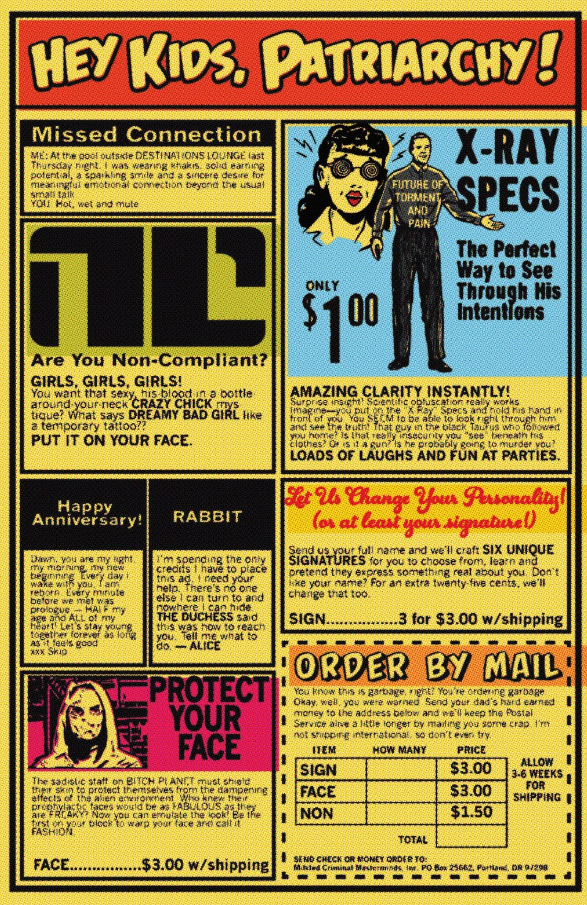
Contributors cite different reasons for teaching Bitch Planet, but all agree that its political contexts and intertexts provide valuable educational opportunities. Coody says the comic is “speaking to the culture right now. Students deserve to watch live-culture-in-action as it unfolds.” 2/10

Cruz argues that “Bitch Planet offers up some interesting, complicated critiques of labor, incarceration, systematic racism, and sexism,” while Reeves says it’s “a wonderful example of satire.” Taylor discusses intersectional empathy via an experience of sharing the comic with incarcerated men. 3/10

Interestingly, the educators teach the text in very different ways. Coody places it in “a religion-related course that thinks through ideology,” while Nancee “would love to teach Bitch Planet in a course that focused on dystopian fiction,” and Chandra prefers “an education class on curriculum.” 4/10

This diversity of approaches speaks to the respective specialties and interests of the educators being surveyed as well as the adaptable richness of the text, whose content and themes can be interpolated in many different ways in service of many educational goals. 5/10

Regarding what they hope Bitch Planet can teach students about comics, the educators agree it can help confront enduring prejudices about the types of stories comics can tell. Nancee particularly underscores the gender implications of teaching a comic by a woman, about women & feminism: 6/10

“I love to show that women are active in mediums that are seen as male dominated and that, indeed, they have been there all along. A text like Bitch Planet, which is unapologetically feminist, science fiction, and political, [can] go a long way toward easing the erasure of female bodies.” 7/10

The roundtable closes with discussion of the risks of teaching Bitch Planet, including the possibility that its violent or sexual content could intimidate or offend students or the general public. All of the educators say they would contextualize the work and include a content warning. 8/10

All the educators also emphasize the importance of teaching difficult topics & working through discomfort. Says Rachelle: “For instructors who are uncomfortable with teaching these comics… read up on works by Roxane Gay, Bell Hooks, Gloria Anzaldúa, and other works by feminists of color.” 9/10
This thoughtful, publicly accessible roundtable speaks to the speed with which Bitch Planet was embraced by academia and serves as a wonderful resource for both readers and educators. The full discussion is linked below! 10/10