Frieren and the Curse of Immortality
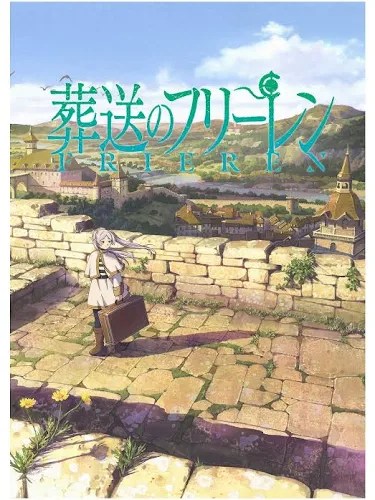
Operating within a robust high-fantasy tradition, death is a major theme in Frieren, a story that uses the relationship between the past and the present in order to articulate a philosophy on how to truly live under the spectre of “passing through nature to eternity,” as Shakespeare puts it. #frieren 1/12

Alenka Figa of Women Write About Comics identifies the question posed by the manga as: “what does it mean to treasure and understand those close to you, when their lives will pass within what feels like a blink?” 2/12

As the title “Frieren at the Funeral,” along with the death of the main romantic lead of the series in the first chapter, along with the series-arching journey to the land of the undead all make clear, death is a major theme in Frieren. 3/12

Predictably, then, there’s a melancholy core that hovers over the narrative in the form of a simple paradox: in grieving Himmel, Frieren seeks to cultivate the necessary perspective to love and appreciate Himmel. But of course, he’s dead and gone. What then is she trying to prove? 4/12

There is an error of gloom and regret to Frieren, expressed through tone and image and especially pace, a morose and still atmosphere that is deeply reminiscent of a funeral procession with an emotionally closed-off elf leading said procession on a seemingly futile journey. 5/12

There is, here a Lord of the Rings connection worth noting as Tolkien portrays in his epic trilogy a number of similar themes, and likewise features the Valinor or “Undying Lands” similar to Frieren’s “Land Where Souls Rest.” 6/12

Tolkien himself articulates the nature of his death symbols in an essay title “On Faerie Stories.” He writes: “And lastly there is the oldest and deepest desire, the Great Escape: the Escape from Death. …The Human-stories of the elves are doubtless full of the Escape from Deathlessness…” 7/12

“…Few lessons are taught more clearly in them than the burden of that kind of immortality, or rather endless serial living, to which the ‘fugitive’ would fly.” For Tolkien, high fantasy uses elves to portray death as merciful. It’s immortality that would be the crueler fate. Frieren explores this. 8/12

And though Frieren stares at humanity bewildered, her immortal elf being is very much an allegory for the human condition – not of a person who holds immortality, but one who perceives the world through the eyes of the immortal in consequence of their lack of mortal consciousness. 9/12
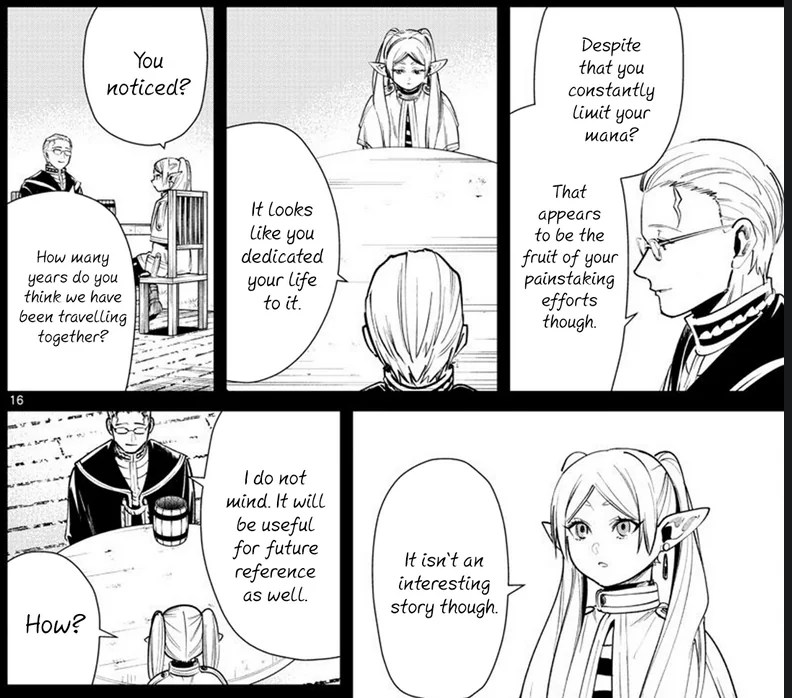
When we lose sight of our mortality, we become capable of taking the moments of our lives for granted and the moments can, and do, pass us by. As Frieren demonstrates, it’s once we understand the ephemeral nature of life that we become capable of living it in the moment. 10/12
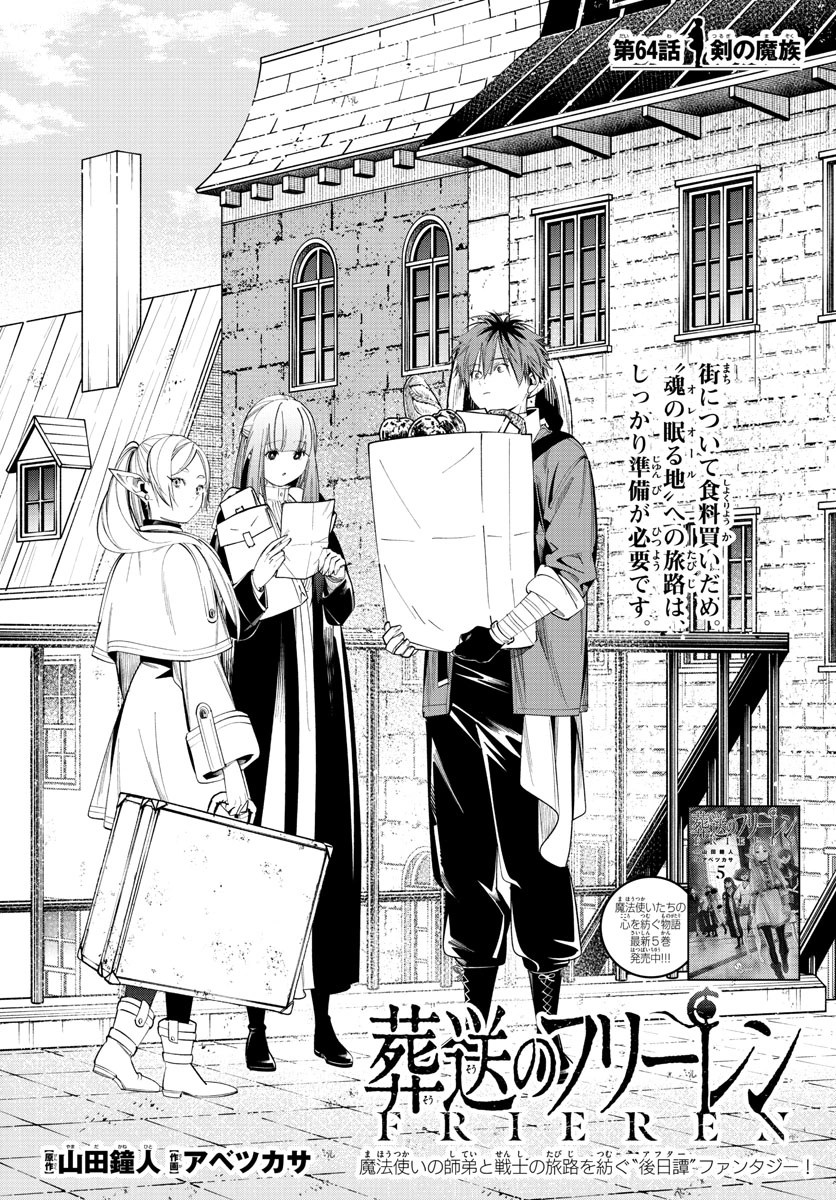
And in keeping with Tolkien’s dynamic of wizards and hobbits, it is important in Frieren that the immortal is the one who must learn from the mortals, perhaps even to the point of learning to appreciate the mortals themselves in order to ascend to a higher state of being. 11/12
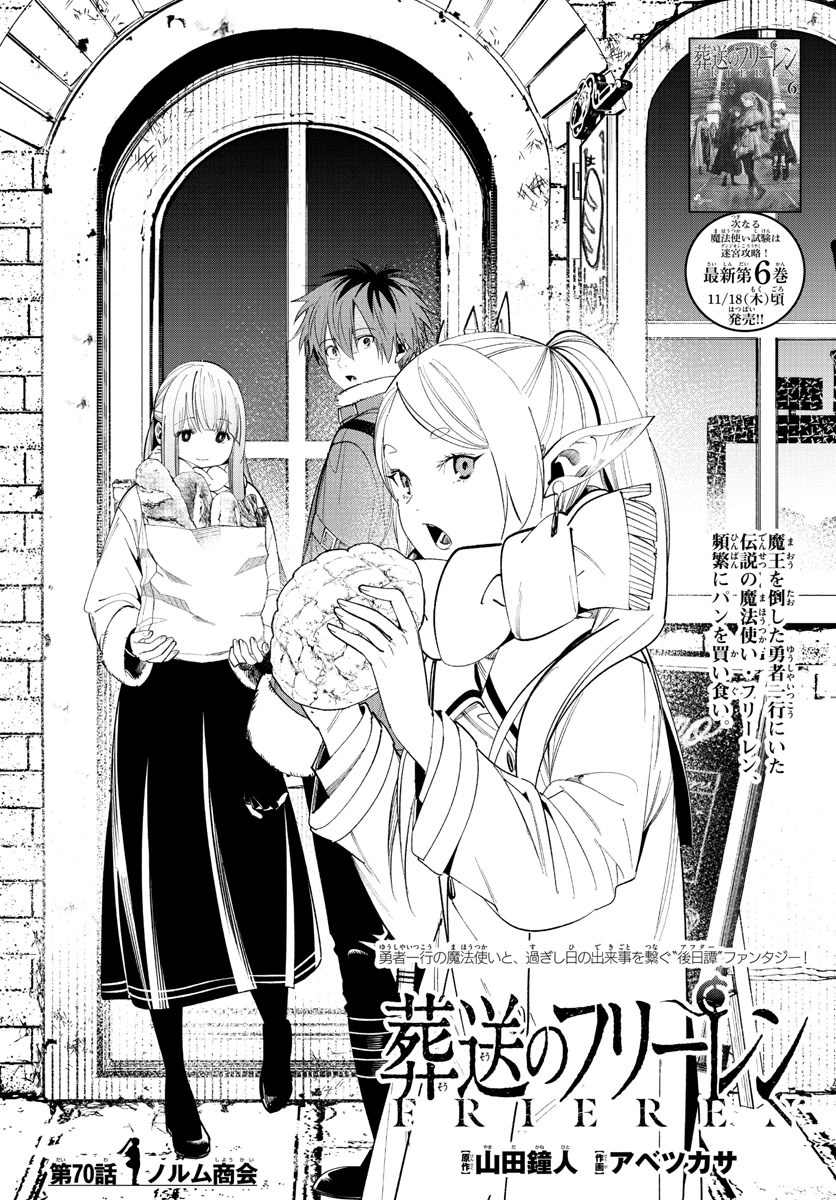
So what happens when Frieren finally does reach her Valinor? Yamada and Abe have yet to put that to ink, which makes this thread both hasty and, frankly, a little sloppy. But what better way to demonstrate Frieren’s message than by seizing a moment instead of waiting? 12/12