
Frieren as Social Ryuri-Tan

Frieren offers a unique take on the classic Japanese narrative structure of Ryuri-Tan simply by shifting that structure from its traditional arena of physical violence into one of social connection and subsequent self-awareness. #frieren 1/9

Ryuri-Tan or Kishu ryuritan, is translated by Masahito Takayashiki as meaning “noble exile myth.” Ryuri-Tan is considered a fundamental narrative structure (often compared to Campbell’s Monomyth) in Japanese fantasy. 2/9
As Anne Commons notes “In these narratives, a hero is exiled from their society, faces a variety of trials and ordeals, and either returns to their society in triumph or dies in exile.” Key characteristics include a hero of divine birth, the theme of exile, and movement from a center to a remote margin. 3/9

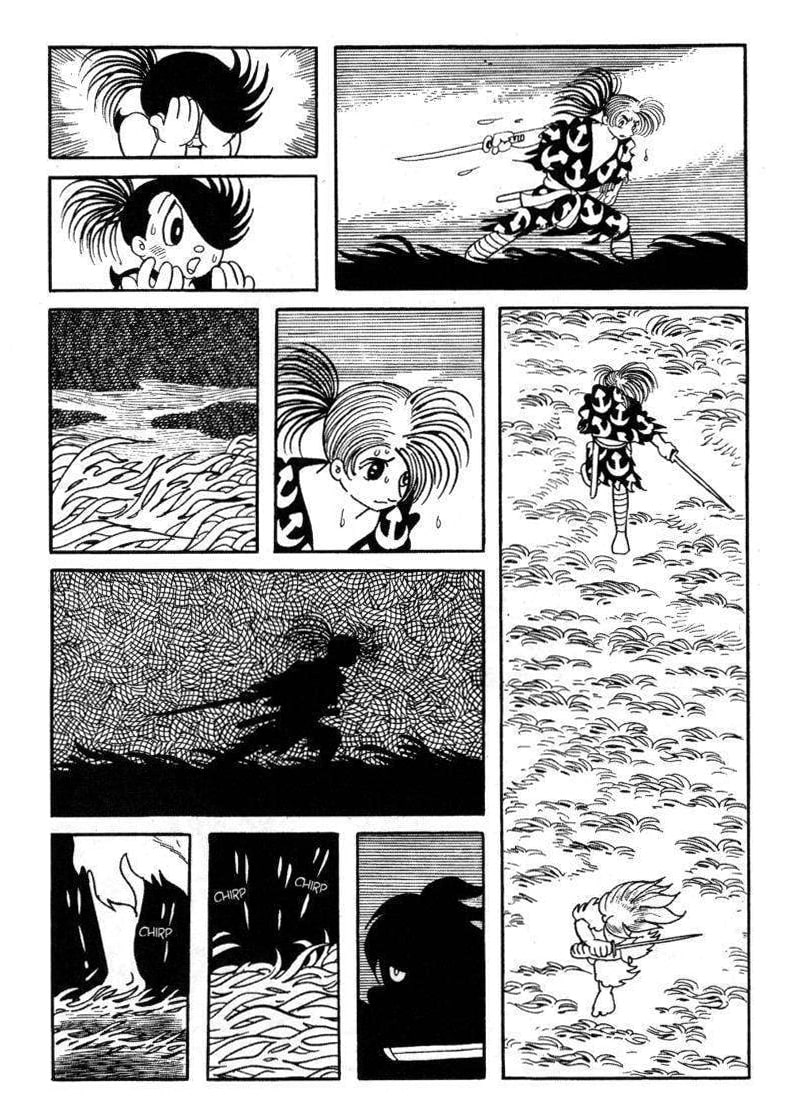
Ryuri-Tan stories also tend to focus on a hero who is powerless at the start, but progressively gains more power (sometimes god-like power) as a result of their journey. Classic examples of this structure can be seen in Osamu Tezuka’s “Dororo” or Koike and Kojima’s “Lone Wolf and Cub.” 4/9
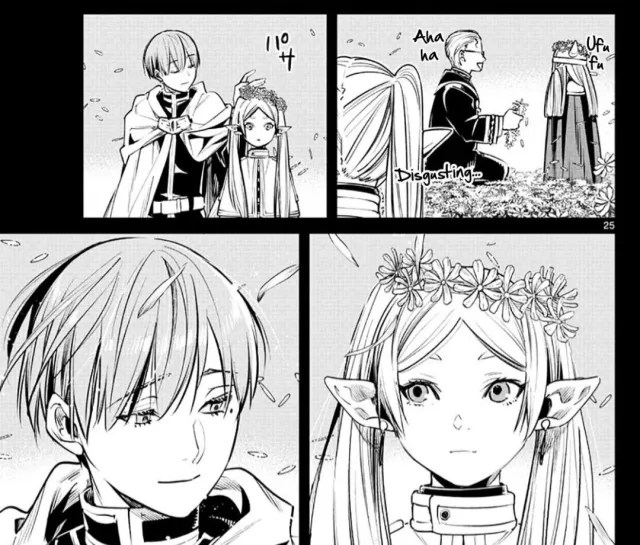
Frieren uses it as well, but not in the same way. What makes Frieren unique is the way that it stages the Ryuri-Tan on a social/interpersonal level rather than a literal level – an appropriate strategy for a manga that loves to subvert manga and high fantasy tropes. 5/9
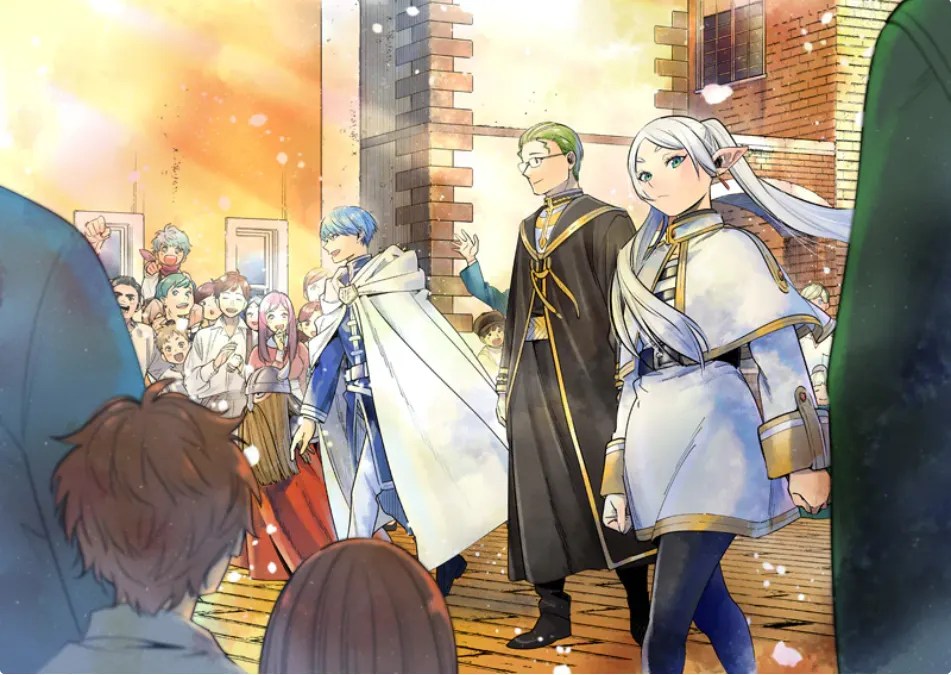
As a simple example of this facet, most of the epic monster battles in Frieren happen off-panel. What is foregrounded instead is interpersonal relationships, an arena in which Frieren is powerless and clueless to the point of both tragic and comic effect. 6/9

Through a journey that takes her from the center to the margins of a fantasy civilization, she slowly accumulates interpersonal power in the form of meaningful relationships and through the deeply interconnected hindsight appreciation of the love (in all its forms) that she missed previously. 7/9

The end result has yet to be written, but there’s a clear trajectory already in place that shows Frieren accumulating this social power through her self-compelled exile to the margins of her fantasy world. In this, the Ryuri-Tan structure is, barring a shocking alteration, implicitly fulfilled. 8/9

By using this familiar manga structure, Frieren establishes a familiar pattern by which to subvert that same pattern in a poignant and meaningful way: a mythic journey of self-conceptualization that expands the scope of the Ryuri-Tan tradition through a social, rather than combative, interpretation. 9/9