Yomi in Frieren

In eschewing shonen-style depictions of epic battles (despite telling a story that is full of the opportunity to do so) Frieren instead builds its narrative tension through the Japanese concept of “yomi,” the art of knowing the mind of your opponent and anticipating their next move. #frieren 1/11
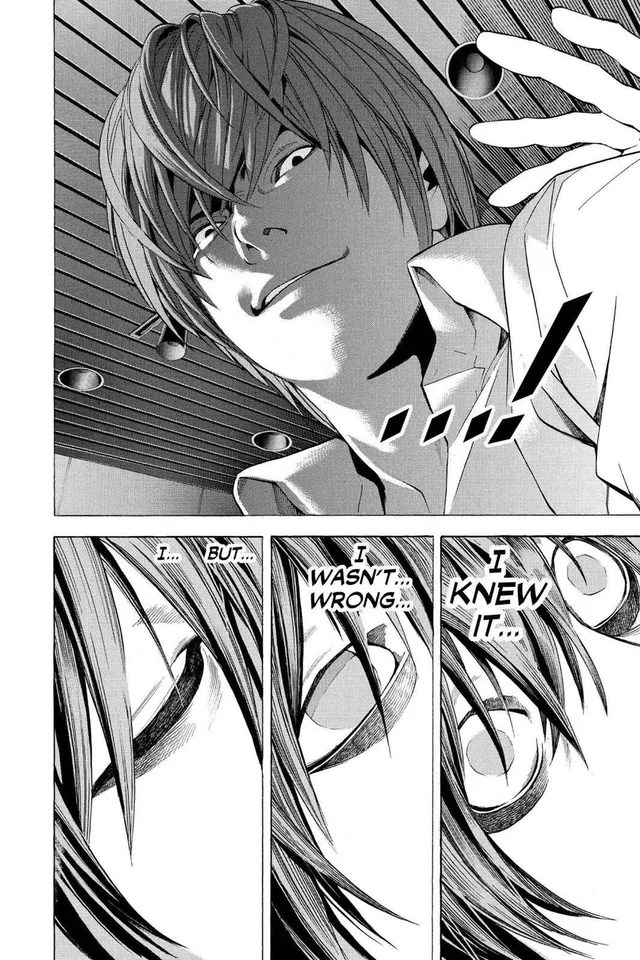
As game theory scholar David Sirlin describes it, in “competitive games, there is little more valuable than knowing the mind of the opponent, which the Japanese call yomi. All the complicated decisions in game theory go away if you know exactly what the opponent will do next.” 2/11

Sirlin establishes a connection between yomi and Sun Tzu’s Art of War (widely read in Japan for centuries) which describes how “What enables the wise sovereign and the good general to strike and conquer, and achieve things beyond the read of ordinary men, is foreknowledge.” 3/11
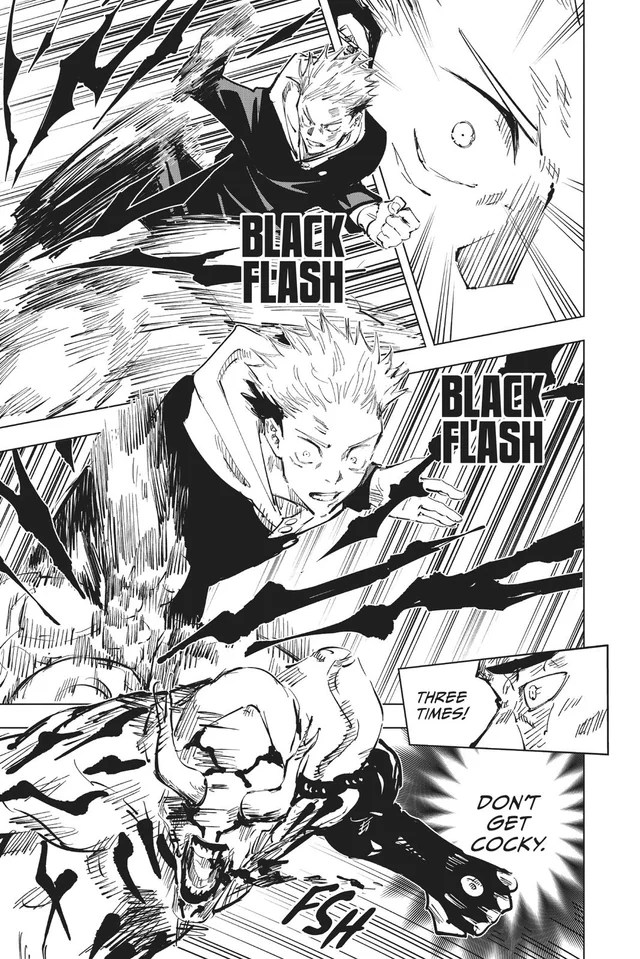
Yomi plays a huge role in manga, even, perhaps improbably, in the battle-heavy shonen titles which famously pause time to have characters reflect on the best strategy for punching their enemy to greatest success. 4/11

Frieren takes this in a different direction through its depiction of magic battles, which aren’t one by reflex or training or fortune. They are one by whichever mage better anticipates their opponents next move to the most accurate degree. 5/11

In order to succeed then, a combatant must be highly intelligent and possess forethought but, at the same time, they must be inscrutable and unpredictable, something that Frieren achieves through a combination of studying obscure magics and disguising her own power. 6/11
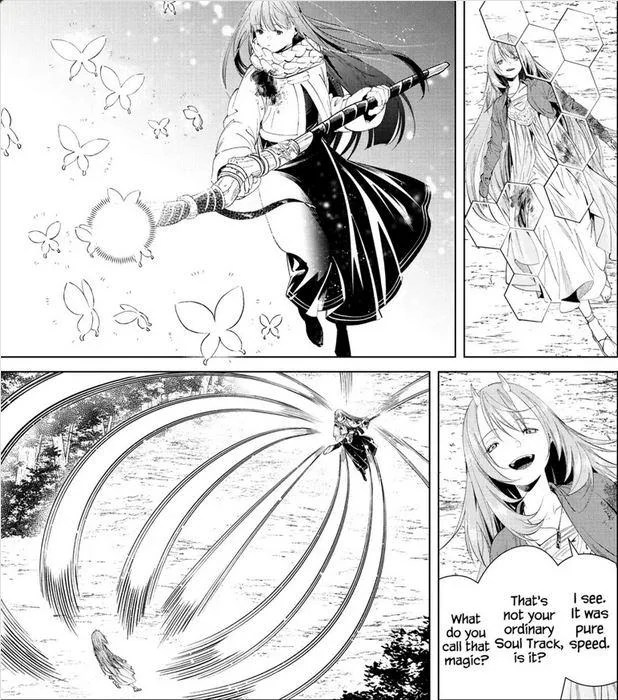
Frieren’s personal preferences (inherited by her protégé Fern) include spells that other mages view as useless and simple but effective spells that have fallen out of popularity. Both mages eschew flashy magic in favor of a highly practical and deeply unpredictable approach to magic. 7/11

Most importantly, Frieren’s secret weapon is a labor-intensive commitment to suppressing her mana, making her appear far weaker to her opponents than she actually is. She maintains this illusion, without rest, for her entire life, having been taught it by her mentor flamme. 8/11

In consequence, Frieren is always underestimated, giving her an enormous advantage in her fights, such as her famous battle with the demon Aura who casts a doomed spell to make the lesser mage the thrall of the greater, assuming Frieren the lesser. The result: Frieren simply states “Aura, kill yourself.” 9/11
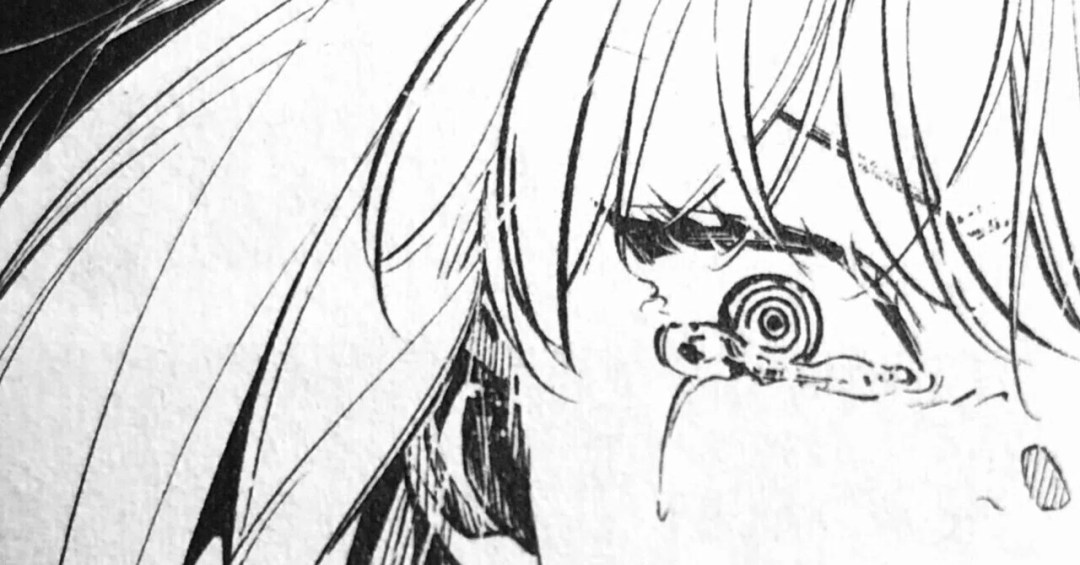
In this instance, the narrative takes a battle between an elf and a necromancer demon and her army of undead into a fatal game of “who knows more than the other” ending with a simple command and an off-panel demise. And yet, the scene is tense, dramatic, and memorable to the point of being iconic. 10/11

As this, and many other examples demonstrate, yomi turns battles into cerebral chess matches, rife with tension and dramatic anticipation, thus creating a satisfying experience even when the killing blow is rarely even rendered on panel. 11/11