
An Introduction to Comics Archives
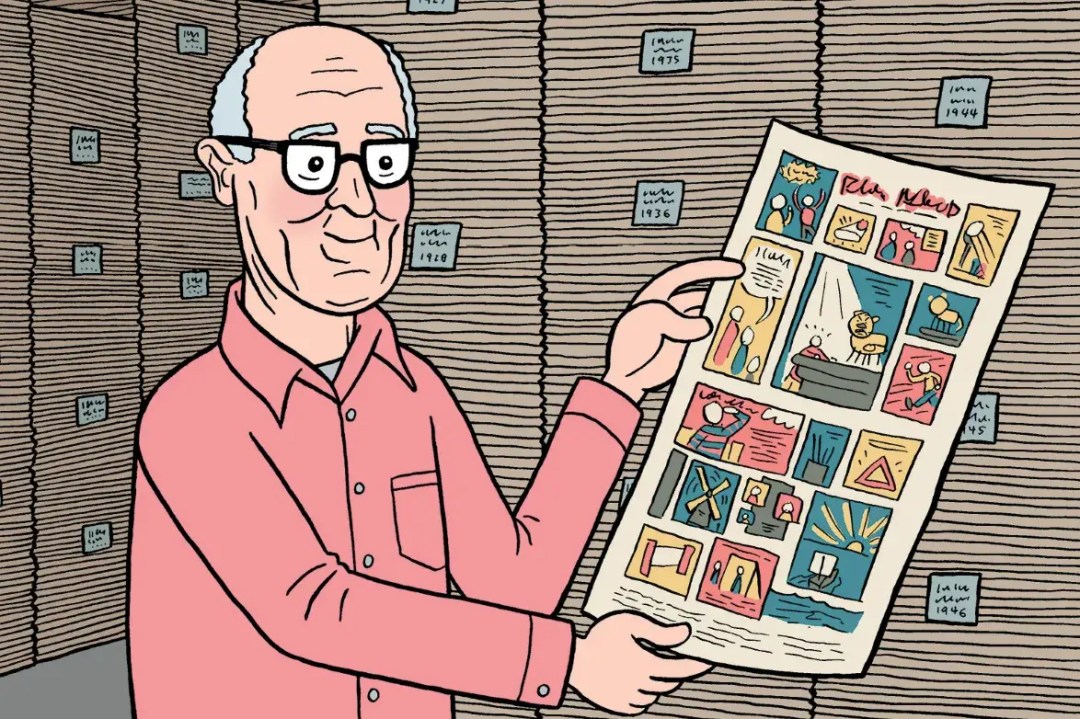
Comics archives hold a unique place in the study of comics and even within the broader culture of comics at large. This place (often literal) thus merits some consideration as an abstract concept – something that our next unit is hereby undertaking. #comicsstudies 1/9

At their outset, comics were not intended to be archived. They were disposable fodder used for a quick thrill followed by a trajectory toward the rubbish bin…or worse. Often they were used as insulation for walls or even as improvisational toilet paper. 2/9
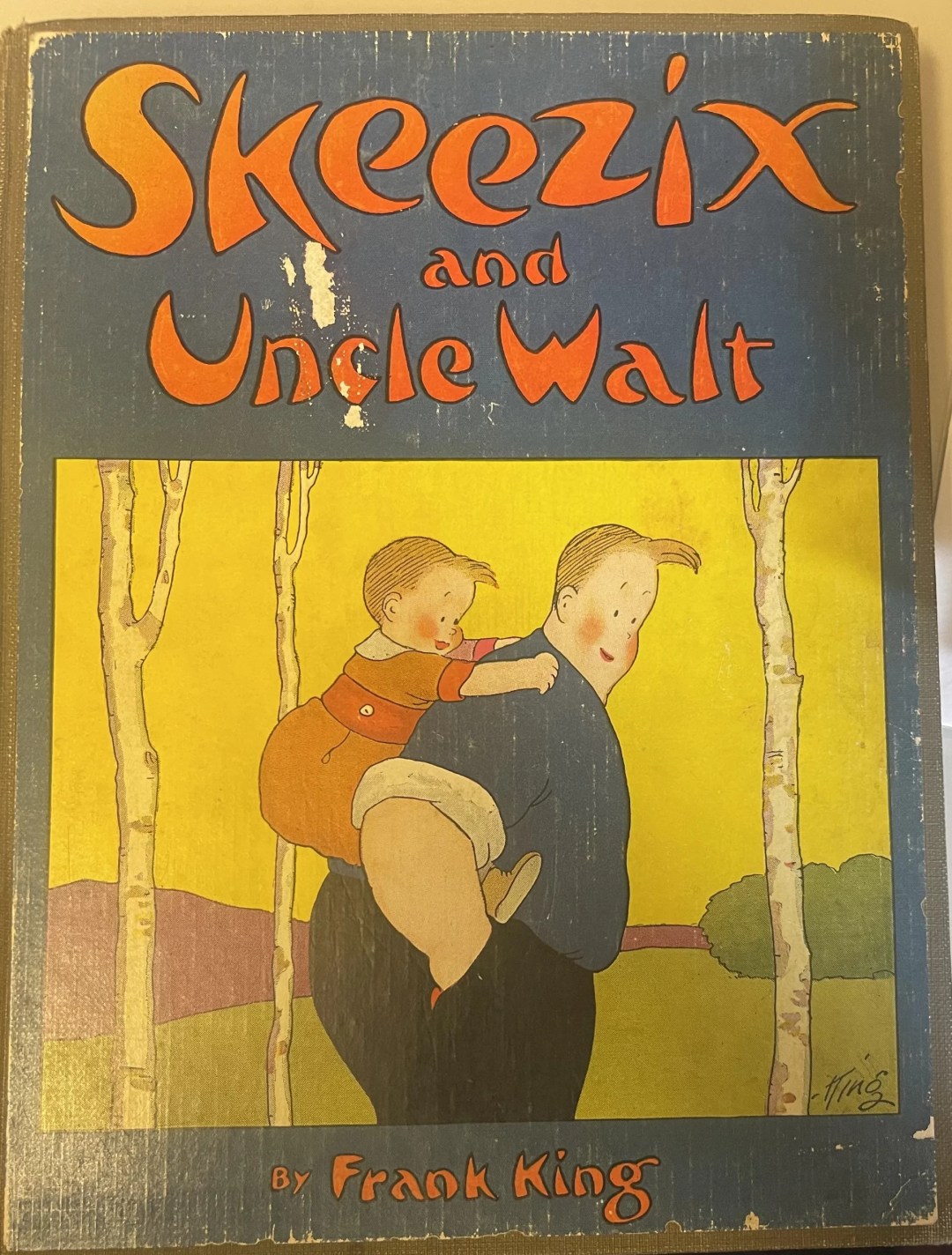
At the same time, however, the first mainstream comics books were anthologies of previously published comics strips: archives in their own right. 3/9

Much later, the disposability of comics changed with the development of a secondary market, which in turn created a speculator industry that reenvisioned comics archives as something akin to bank vaults – a place to store valuables that could one day be sold for a tidy profit. 4/9
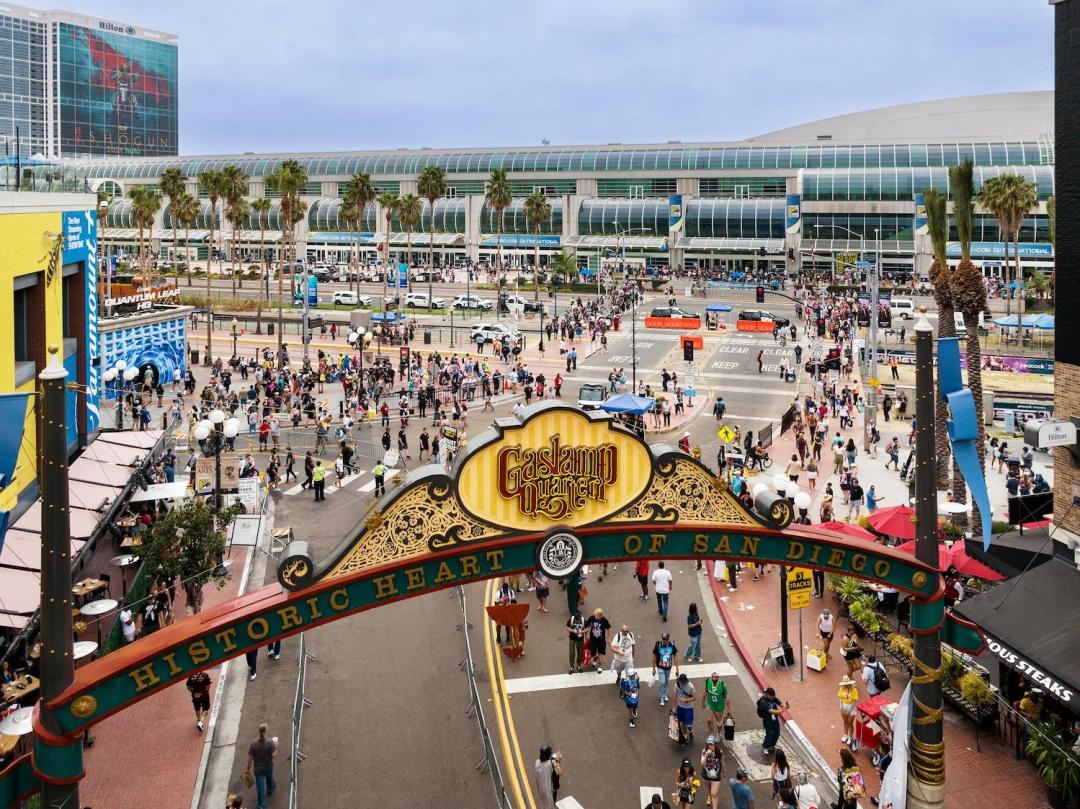
For the home consumer, the building of their personal comics archive has been an enormous part of comics culture – as both a hobby for collectors to pursue and as a tool of socialization and networking. Comics conventions, as we now know them, evolved largely out of comics swap meets. 5/9

Perhaps counter-intuitively, this early innate ephemerality is exactly what makes comics archives so incredibly important as a venue by which comics can be seen and read within their original context, or even as a tool by which to preserve important works in ANY context. 6/9
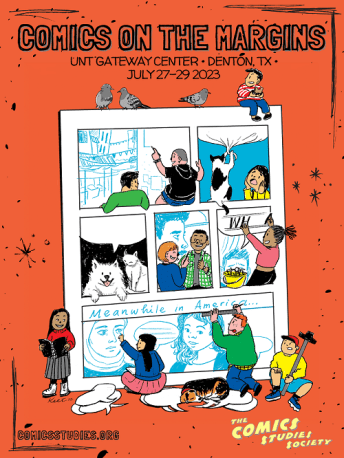
Archives keep comics alive and provide the object texts that spur scholars attempts to understand what comics are, how and why we consume them, and where the medium might take us next. 7/9
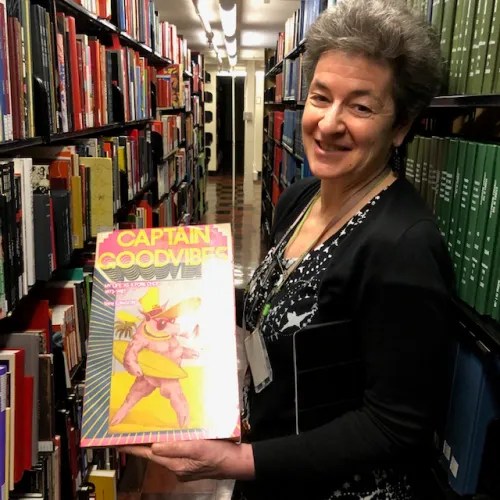
This also places enormous importance on the work of comics archivists – scholars and fans who have worked tirelessly to preserve a fleeting history. Though often underacknowledged, the voice of the archivist in the history of comics studies is both loud and profound. 8/9

Ultimately, it is through archives, in all their many forms, that comics scholarship builds its history and expands the scope of its inquiries. It is through archives that comics history is preserved, studied, and advanced forward. We’ll talk about it in the weeks ahead. 9/9