
Dungeon Crawler Carl vs Solo Leveling

If we compare Dungeon Crawler Carl to Solo Leveling, and read them both in the context of their popularity, we get a fascinating study on what our society is currently hungering for in their fiction and why the concept of dungeon crawl might be uniquely desirable. #dungeoncrawlercarl #sololeveling 1/10
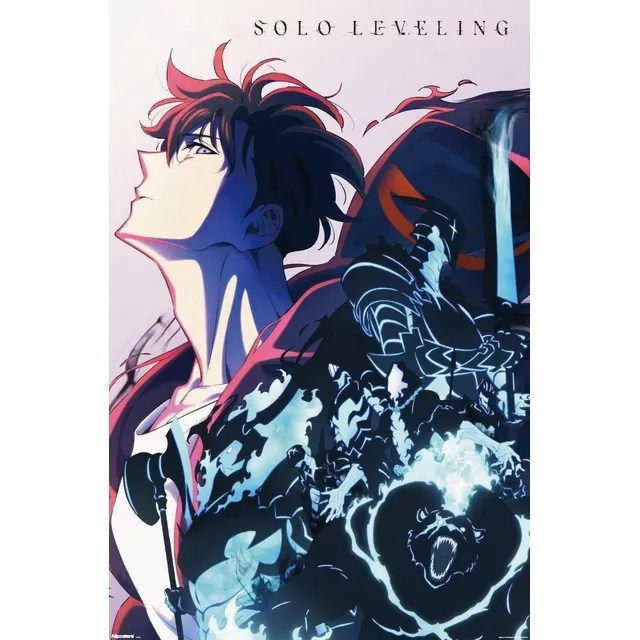
Dungeon Crawler Carl and Solo Leveling have a lot in common, both in terms of narrative conceit and in terms of their shared presence on digital comics platforms, merchandise, and adaptations into video and gaming. Where they differ is tone. 2/10

Solo leveling began as a web novel in 2016 before being adapted to a webtoon in 2018 just one year before DCC made its debut. Both concern an isolated protagonist navigating a realization of role-playing mechanics in real-world dungeons. 3/10

But where Solo Leveling favours a world of brutality and gravitas, Dinniman approaches the world with a sense of juxtaposed whimsy and absurdity. The world is equally bleak to that of Solo Leveling (arguably much bleaker due to an apocalyptic event) yet the series finds its footing in its playful tone. 4/10

In Reception Theory, Hans Robert Jauss devises the concept of “horizon of expectation.” It’s complicated but, for our purposes, can here be boiled down to the notion that the popularity of texts is a by-product of a particular need in a cultural context. 5/10
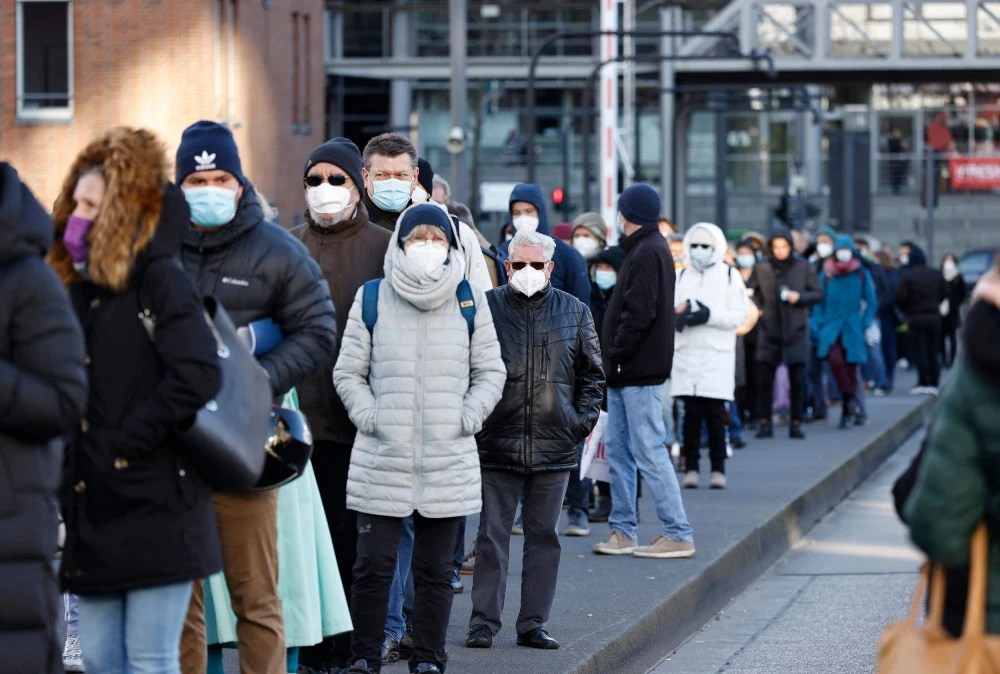
Solo Leveling and Dungeon Crawler Carl became wildly popular at the same approximate time, but one in the East and one in the West. The first question this raises, is whether they are then reflective of different culture’s horizon of expectation or a shared global media culture. 6/10

On the former side, the tonal variations could speak to differing cultural views. On the latter, both texts aren’t JUST popular in the East or West. They have both achieved international success and might even draw that East/West distinction into scrutiny. 7/10

What they share, then, is a fantasy of living your life in a highly structured, dungeon crawl video game – of achieving rank and power and importance far beyond the expected means of two very generic protagonists (at least at the start). 8/10

They’re power fantasies, but also fantasies of social mobility, and fantasies of living in a world with clear objectives, guidelines and rewards. In this they speak to a chaotic world with little opportunity and less rationality. 9/10

Read in parallel, what we have here then are two texts that speak to a cultural moment both through their similarities and through their differences. Together, they speak to something missing in the world we currently experience. 10/10
This post was co-plotted with Sequential Scholars Research Assistant Maeve Riley McKay.