Dungeon Crawler Carl and Adaptation

The Dungeon Crawler Carl graphic novel showcases, from a prominent platform, the place of comics production in the modern, multimedia, intellectual property adaptation system that is quickly becoming the mainstream. #dungeoncrawlercarl 1/13

The graphic novel is already a bestseller in graphic novel sales lists, outselling works that were made in the comics format, exclusively. Comics readers have clearly embraced it and non-comics readers may be coming to the form through it. 2/13

The series began as self-published segments published on the online platform Royal Road in 2020. When the pandemic hit, Dinniman devoted himself to the series full-time and continued to self-publish through amazon until 2024 when Penguin purchased the rights to the series. 3/13

In 2020, the first audiobook was released and became highly successful (often outpacing the books). In 2025 the Webtoons adaptation began. In 2026, the first 13 chapters of the Webtoon were collected and transposed into a graphic novel format. 4/13

Thus the provenance of this story, so to speak, is web-ebook/audiobook-book-webtoon-graphic novel (in the loose sense of that term). How the comics fit into that production line and system and what they can contribute (commercially and artistically) is a compelling question. 5/13
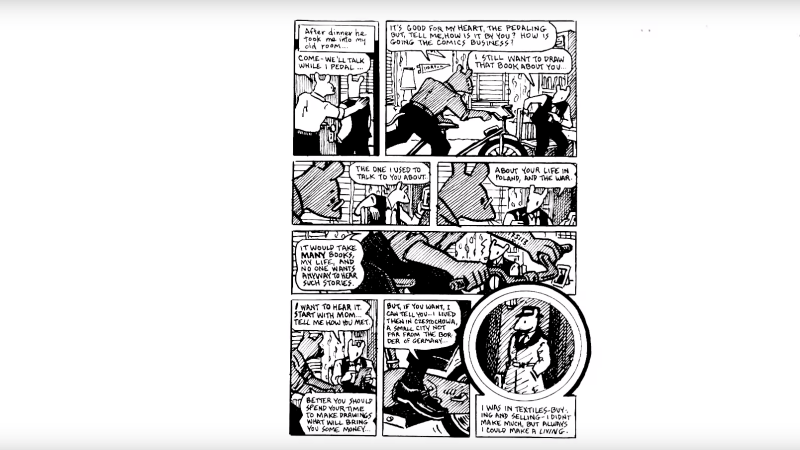
First and foremost, great comics artists, such as Art Spiegelman, have famously argued that the main unit of comics composition is the page, not the panel. The webtoon, however, was composed for scrolling – single panels moving ever downward. 6/13

As such, the layouts of the graphic novel are mostly re-sized reconfigurations of the original webtoons artwork. There’s an art to that layout, and the reformatting artist (Makma) deserves credit for what they’re able to do, but the art (or even narrative) was never created with the page in mind. 7/13

The cartooning in the graphic novel also exists within certain restraints of medium and adaptation content, but Kuzomari’s work adds a lot of deviation from other iterations through choices of style and posture/expression. 8/13

This is especially challenging in a high fantasy comedy work, which requires both supernatural spectacle and expert timing. The art looks good (possibly great – mileage may vary) and the emotionality of the scenes, carried through Carl and Donut’s reactions, are quite evocative. 9/13

Also of note: the colorist’s art changes in going from digital to page (but that’s an element of most all comics at this point) and the trajectories created by letterist Al Zaghlul tend to point downward (in the macro-sense) rather than to the right and downward due to the intended web-scroll. 10/13

We should also note that the original novel is written in first person perspective and depends heavily on internal monologue, yet the graphic adaptation avoids narrative captions as much as possible (save for the responses of the system itself, and interesting choice. 11/13
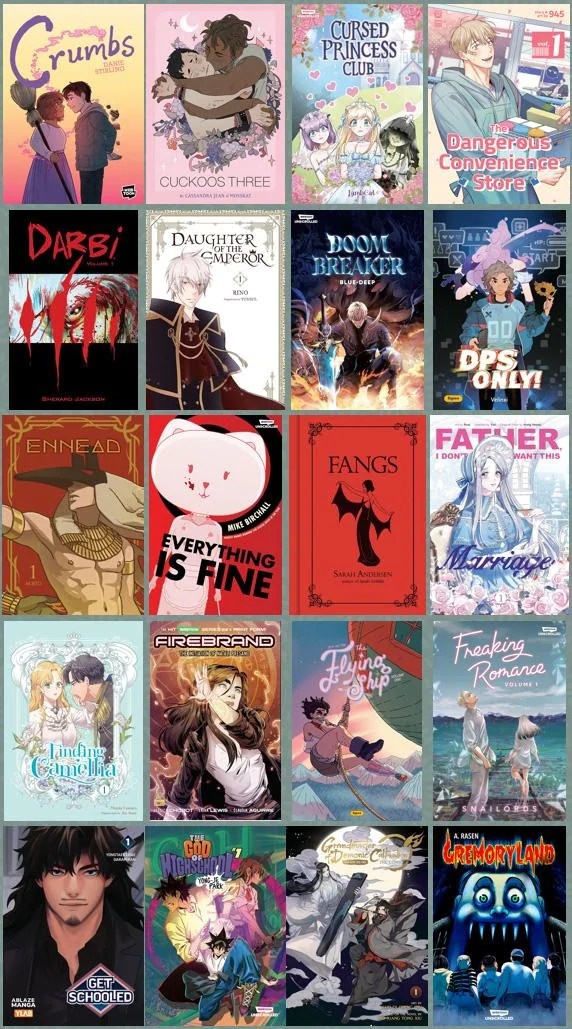
There are more than 20 webtoons based on novels right now. There are more than 70 Webtoons reprinted as graphic novels in order to capitalize on the hardcover and paperback markets (despite the steep markup). The DCC Graphic Novel is part of a comics business paradigm that isn’t going away. 12/13

Thus, reading it within that paradigm and in consideration for the affordances still available to comics artists to add something new and meaningful to an already iconic text-based story, reveals a new paradigm for reading what comics (or certain comics) are in 2026. It’s a new literacy. 13/13