Metatextuality in Dungeon Crawler Carl
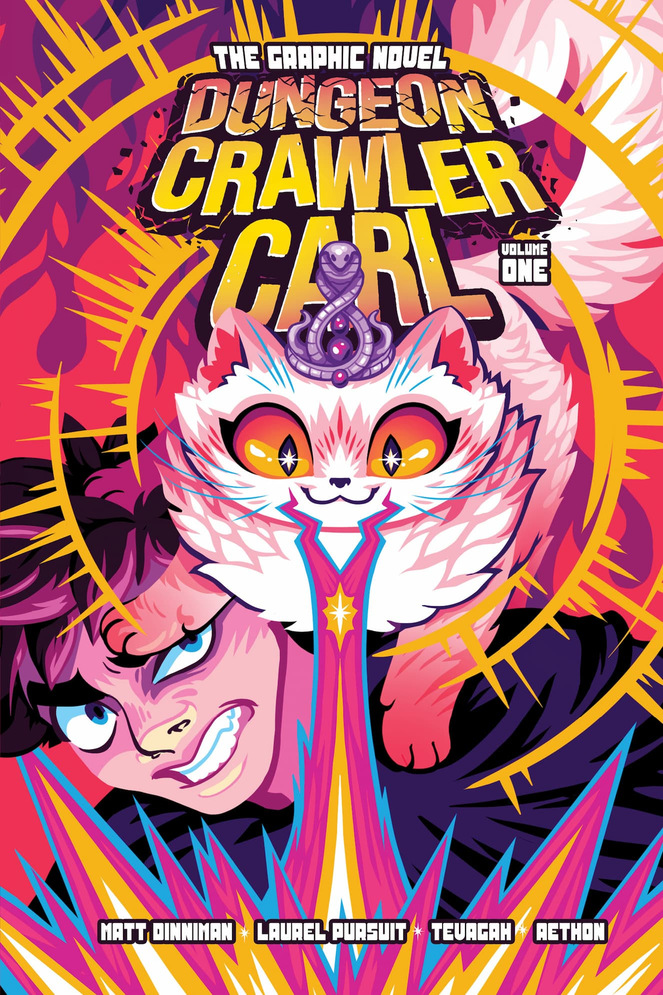
One of the more interesting elements of Dungeon Crawler Carl is the manner in which it incorporates symmetrical media both within the story itself and within the community of fans that love it, thus taking its critique of media to a metatextual level. #dungeoncrawlercarl 1/10

In the contemporary landscape, the potential for metatextuality is quite strong, as identified by Hannah Rose Selby, who discusses how “due to the favoring of digital, serial form in contemporary Internet literature, specifically in the cases of English LitRPG webnovels, like the Dungeon Crawler Carl series…” 2/10

“…contemporary authorship ties into a long history of authors and readers collaboratively shaping works of literature.” This can mean that authors interact with and respond to fans, breaking down the doors, somewhat between author and reader. 3/10

In asymmetric media, communication goes one way: sender > receiver. TV is a good example. It sends messages to you but if you speak back to it, it cannot hear you. It’s one-way communication. Digital technology offers the radical potential for symmetric media: eg watch a YouTube video and comment. 4/10
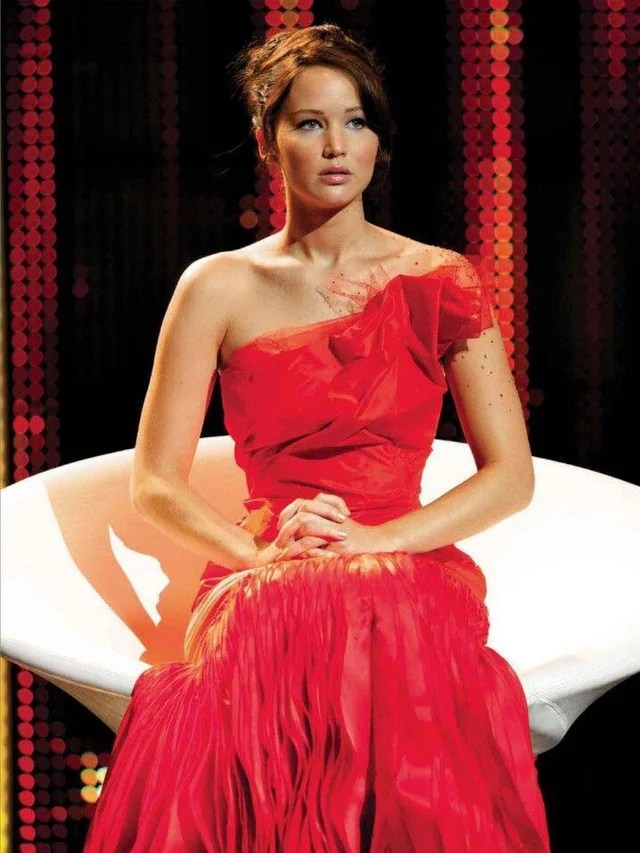
Like Suzanne Collins’ The Hunger Games series, Dungeon Crawler Carl explores the concept of entertainment value and the importance of purposefully constructing a compelling narrative in order to advance the interests of participants. 5/10

This structure alone creates a metatextual effect: an entertaining story that explores, thematically, the need for entertaining stories. In this, the author is able to speak to the process of writing by having his lead character engage in that same process, to some extent. 6/10

Where Dinniman goes a step further however is by soliciting fan input for his series through online platforms such as patreon. Through this channel, fans can decide things like what peripheral items appear in Carl’s loot boxes. 7/10

Thus, Dungeon Crawler Carl looks both inward and outward, blurring a long stable boundary between writer and audience by embracing the concept of symmetric media. Fans, in turn, feel a greater sense of engagement with and immersion into the narrative that unfolds. To a small degree, they helped write it. 8/10

Consequently, the thematic concern with audience-interaction that plays so important a role in the series acquires different depths and layers of meaning – the audience is living the experience at the same time Dinniman (and Carl, for that matter) is commenting on it. 9/10

The complexities of this approach are, potentially, many, but the main point is just that Dungeon Crawler Carl is a modern story that is networked (quite literally) for a networked modern world and that gives it something else to say. 10/10
This post was co-plotted with Sequential Scholars Research Assistant Maeve Riley McKay.