Redrawing Women in Prison

In our last thread, we discussed some general contexts of exploitation films and their relevance to “Bitch Planet.” Now we’re going to zero in on the comic’s engagement with the complex politics of a specific subgenre of exploitation: the women-in-prison” film. 1/12
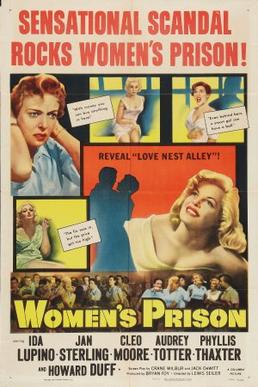
The conventions of women-in-prison (WiP) films date back to the days of silent cinema and have a transnational, transmedia presence across pulp novels, erotica, and pornography. In the US, WiP films benefited from the general increased popularity of exploitation films that began in the 1950s. 2/12
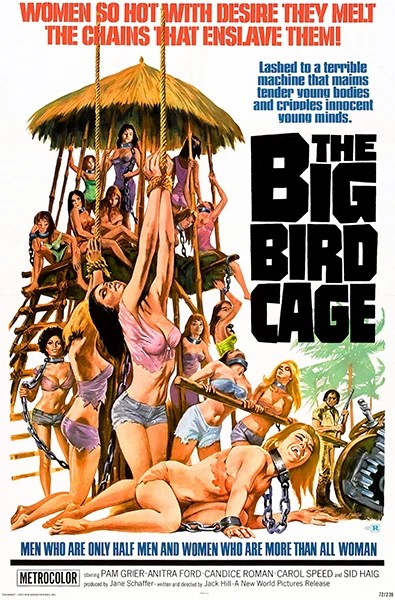
Postwar WiP films also benefited from the rise of second-wave feminism. The sexual revolution and renewed struggle for women’s liberation gave a ripped-from-the-headlines relevance to stories about women being caged and punished for their material & social transgressions. 3/12
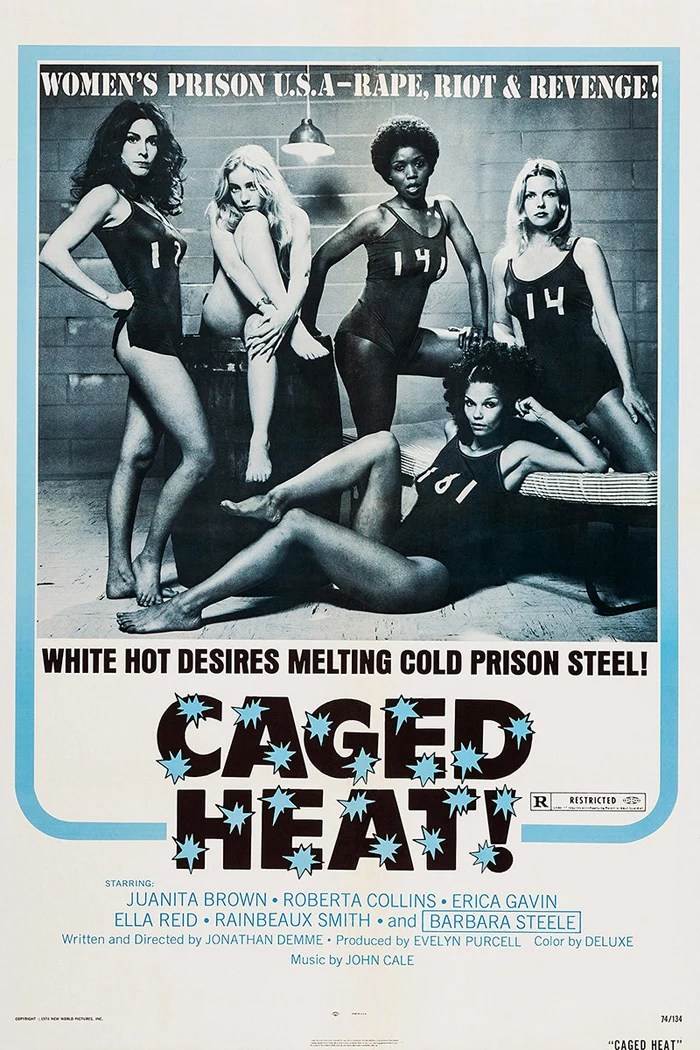
Most WiP films weren’t feminist. On the contrary, a central appeal is the lurid spectacularization of women who are titillatingly objectified & brutalized, and plots generally punish transgressions. However, competing fears and fantasies of women’s liberation inform both text and subtext. 4/12

While most WiP films associate lesbianism with villainy, they were one of the only ways to see sapphic desires on screen. And while incarceration & abuse are often presented as just punishments for unruly women, attuned views might also sympathize with their resistance to oppressive systems. 5/12

In other words: the unruly bodies of WiP films always invited unruly gazes. Some gazes might rebel against second-wave feminism’s call for liberation. Other gazes might rebel alongside the incarcerated women, fighting sexist genre conventions & institutions reflective of patriarchy. 6/12

Unlike WiP films, Bitch Planet is self-consciously feminist. It never suggests the women in its futuristic off-planet prison deserve to be punished. Their incarceration is overtly villainous and misogynistic, in service of a fascist patriarchy demanding unquestioning compliance. 7/12

Bitch Planet #1 juxtaposes the brutal conditions of the Auxiliary Compliance Outpost with the arbitrary crimes it punishes. Marian Collins is accused of threatening her husband after discovering his affair. While she’s sent to a maximum security prison, he’s gifted access to his younger lover. 8/12

Underscoring the cruelty of the story & its society, it’s revealed that Marian’s husband paid to have her arrested. Then, in order to cover-up a clerical error wherein the new Mrs. Collins was mistakenly targeted by the warrant for the former Mrs. Collins, Marian is killed by the prison guards. 9/12

This comic clearly positions us to root for the women in the prison, some of whom bravely attempt to protect Marian. The incarcerated women are presented as heroic figures fighting cruel, unjust oppressions that anyone who has experienced injustice (sexist or otherwise) can sympathize with. 10/12

Yet befitting the exploitation influence, the unruly bodies of the incarcerated women are simultaneously affirming & uncomfortable. Sometimes, we’re forced to observe the women’s naked vulnerability. Other times, their retributive violence has a monstrous quality that could be dehumanizing. 11/12

Different readers will feel discomfitted & affirmed in different ways. But one thing is certain: the discomfort is intentional and deeply political, intrinsic to the comic’s feminism. In future threads, we’ll delve deeper into the gender & racial implications of this comic’s rich spectacles. 12/12